Brain-computer interfaces
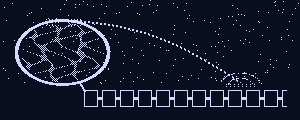
A brain–computer interface reads signals from the brain and turns them into commands. One linked a paralysed man's brain to his spine; later he walked on crutches with it switched off.
After a spinal cord injury, the brain can no longer reach the spinal circuits that make the legs walk, so they stop moving. A brain–computer interface reads signals from the brain and turns them into commands. The first person moved a computer cursor through a brain implant in 1998; later, about 25 clinical trials of such implants were under way at once. The twist: one links a paralysed man's cortex to his spinal cord, and after training with it he could walk on crutches with it switched off.
Sources
- Lorach et al., Walking naturally after spinal cord injury using a brain–spine interface, Nature (2023)
- MIT Technology Review, Brain-computer interfaces face a critical test (2025)
- ONWARD Medical press release on ARC-BCI implants (January 2026)
- Powell & Zhou, Brain-computer interface commercialization, J NeuroEng Rehabil (2026)
Pick a question to go deeper.
Read next
- DishBrainDishBrain wires human or mouse brain cells in a dish to a chip and plays them a simulated game of Pong. Within five minutes, they showed signs of learning: their rallies grew longer.
- XenobotsXenobots are living machines built from frog embryo cells to shapes designed by AI. Set among loose cells, they shove them into piles that grow into new xenobots.
- Penrose processThe Penrose process pulls energy out of a spinning black hole by feeding it something with negative energy. A spinning metal cylinder has now copied the black-hole runaway in a lab.